If you’ve noticed stubborn breakouts along your hairline, temples, or even your upper back, your haircare routine, not your skincare, might be the culprit.
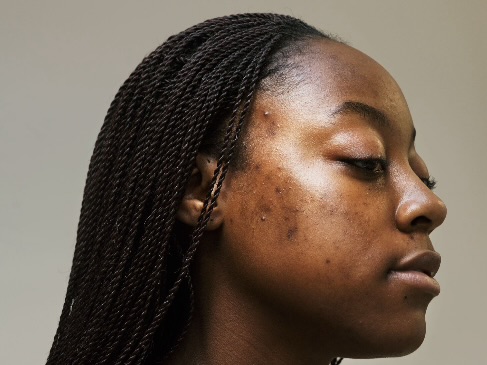
Dermatologists often refer to this phenomenon as Acne Cosmetica, a type of acne triggered by cosmetic products that clog pores.
In the case of haircare, it’s commonly known as “pomade acne,” and it can happen when oils, gels, and styling creams migrate from the hair onto the skin.
Hair products are designed to moisturize, define, and protect strands, but many formulas contain heavy oils, waxes, and silicones that can sit on the skin’s surface. When these ingredients build up around the hairline or forehead, they can trap sweat, bacteria, and dead skin cells, leading to clogged pores and irritation.
The first step in addressing hair-product-related breakouts is identifying the trigger. Pay attention to when the breakouts appear. If they develop soon after trying a new edge control, pomade, or leave-in conditioner, that product may be contributing to the problem. Ingredients like petrolatum, mineral oil, and thick butters can sometimes be too occlusive for skin that is prone to acne.
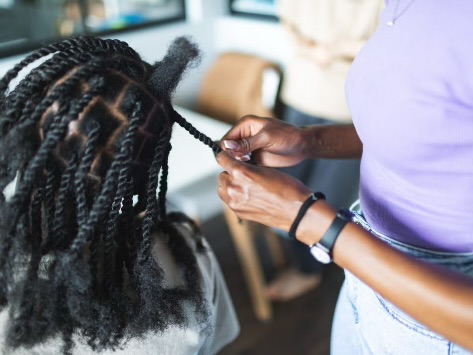
Next, consider how you apply your products. Styling gels or oils placed too close to the hairline can easily transfer onto the forehead, especially during hot weather or workouts. Instead, try applying products slightly farther back on the hair and using a light hand around the edges.
Another helpful strategy is protecting the skin before styling. Applying a lightweight, non-comedogenic moisturizer along the hairline can create a barrier that reduces the likelihood of pore-clogging ingredients settling on the skin. Some people also find success using a gentle cleansing wipe or toner to remove any residue after styling.
Regular cleansing is also essential. Washing your face after applying heavy hair products, especially before bed, can prevent buildup from lingering overnight. Silk or satin scarves and pillowcases can also help reduce the transfer of oils from hair to skin.
If breakouts persist, it may be time to switch to lighter formulas labeled “non-comedogenic” or “oil-free.” Many modern haircare brands now formulate styling products designed to be friendlier to acne-prone skin.
Balancing haircare and skincare can feel tricky, but small adjustments can make a big difference. With mindful product choices and application techniques, it’s possible to keep your edges sleek without sacrificing clear, healthy skin.