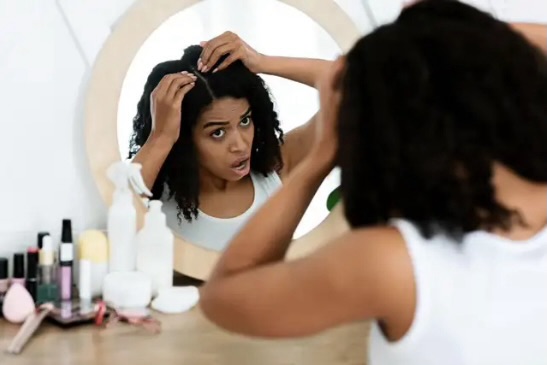
If your hair has suddenly started behaving differently, your curls aren’t curling the same, your once-sleek strands feel frizzier, or your texture seems looser or tighter, you’re not imagining it.
Hair texture changes are surprisingly common, and they can happen gradually or seemingly overnight.
Understanding the root causes can help you protect your strands and restore balance without panic.
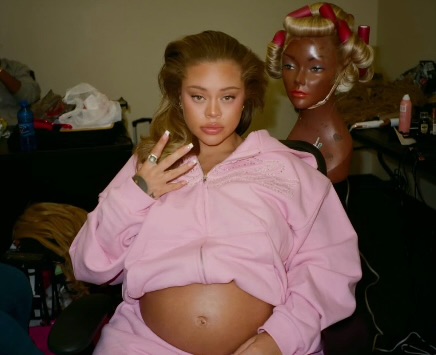
One of the most common reasons for texture shifts is hormonal change. Puberty, pregnancy, postpartum recovery, and even perimenopause can alter how your hair grows, its curl pattern, and its overall volume. Hormones influence everything from follicle shape to oil production, so shifts in your body often reflect directly in your hair. If you’ve recently experienced a major life or health transition, your strands may simply be responding.
Stress is another silent disruptor. High stress levels can impact the hair growth cycle, leading to shedding, dryness, or changes in pattern. When the body is overloaded, nutrients are prioritized for essential functions, leaving hair more fragile and unpredictable. Adding scalp massages, balanced meals, and mindful rest can help counter these effects.
Chemical treatments, like relaxers, bleach, color, and keratin smoothing, can also reshape your texture. Even heat styling, when excessive, slowly weakens curl bonds, leading to looser or uneven patterns. If this sounds familiar, it may be time to scale back and rebuild moisture and protein levels through deep conditioners, bond-repairing treatments, and low-heat routines.
Environmental factors also play a role. Hard water, seasonal humidity, sun exposure, and swimming in chlorinated pools can dry out strands and cause frizz or dullness. Installing a shower filter, using UV-protective products, and rinsing hair after swimming can help shield your strands from daily wear.
When texture changes happen, the best solutions focus on nourishment and consistency. Start with regular deep conditioning to restore moisture balance. Incorporate protein treatments if your hair feels limp, overly soft, or lacks elasticity. Trim split ends to prevent breakage from traveling up the strand. And simplify your routine, sometimes hair needs less manipulation, not more.
Ultimately, changing texture isn’t always a bad thing; it’s a sign your hair is evolving. By tuning into what your strands need and adjusting your routine with patience, you can strengthen, define, and fall in love with your texture all over again.