Have you ever looked at old pictures of yourself and wondered why your hair no longer looks or behaves the same way? Perhaps your once-defined curls now appear looser, your coils feel finer, or certain sections seem to have developed a completely different texture. While many people associate natural hair texture with genetics, the truth is that hair can change over time. However, understanding why these changes happen is important before assuming your natural hair type has transformed.
Your genetics determine your natural hair texture
Your genetics play the biggest role in determining your hair’s natural curl pattern, whether it is straight, wavy, curly or coily. The shape of your hair follicles influences how individual strands grow, while the distribution of certain structural proteins contributes to their overall characteristics.
Hormones can influence your curl pattern
Hormonal fluctuations are among the reasons your hair texture may change. Pregnancy, postpartum changes, menopause, thyroid conditions and other hormonal shifts can affect hair growth, density and strand characteristics.
Some women notice their curls becoming looser, tighter, finer or coarser during different stages of life. These changes do not necessarily mean their genetic hair type has changed, but they can influence how their natural texture appears.
Heat and chemical treatments can alter your texture
Frequent use of flat irons, blow-dryers and chemical relaxers can compromise the hair’s internal structure. Excessive heat may weaken the bonds responsible for maintaining its natural shape, while chemical treatments can permanently alter those bonds.
This is why some women experience heat damage, where sections of their natural hair no longer return to their original curl pattern after washing. Relaxed or chemically treated strands may also remain altered until they grow out.
Age, health and environmental factors matter
Hair texture can become finer, drier or less dense with age. Nutritional deficiencies, certain medications, stress and underlying health conditions can also affect hair growth and quality.
Environmental factors such as humidity, sun exposure and hard water may temporarily change how your hair feels, responds to products or holds its curl pattern.
Can you get your original texture back?
If your hair has experienced temporary dryness or product buildup, a consistent routine involving gentle cleansing, conditioning and moisturizing may help restore its natural appearance.
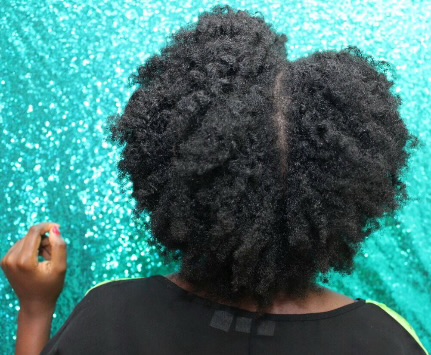
However, permanently damaged strands cannot always recover their original curl pattern. Trimming affected sections and protecting new growth from excessive heat and chemical processing can help you transition back to healthier natural hair.
Ultimately, your hair texture may evolve throughout your life, but that does not mean you need to fight every change. Understanding what your hair needs at each stage is far more important than trying to maintain a particular curl pattern.