Have you ever wondered why one conditioner leaves your hair feeling soft and hydrated while another seems to sit on the surface without making much difference? The answer may have something to do with your hair porosity.
Hair porosity describes how easily your strands absorb and retain moisture. It is influenced by the condition and structure of the hair cuticle, the outermost protective layer of each strand. Understanding your porosity can help you make better decisions about the products, styling techniques, and routines you use to care for your natural hair.
There are three main types: low, medium, and high porosity. Each responds differently to moisture.
1. Low-porosity hair: When moisture struggles to get in
Low-porosity hair has cuticles that lie relatively flat and close together. This structure makes it harder for water and conditioning ingredients to enter the strand, although it can also help moisture remain inside once absorbed.
If you have low-porosity hair, focus on lightweight, water-based conditioners and avoid layering too many heavy products. Warm water can help during conditioning by making the process more comfortable and improving product distribution. Gentle cleansing is also important to prevent buildup.
2. Medium-porosity hair: The balance between absorption and retention
Medium-porosity hair generally absorbs and retains moisture more easily. Its cuticles allow sufficient moisture into the strand without losing it too quickly.
This hair type often responds well to different products and styling techniques, making it relatively easy to maintain. However, that does not mean it is immune to dryness or damage.
A balanced routine involving regular cleansing, conditioning, occasional deep conditioning, and heat protection can help maintain its condition. Avoid excessive heat and chemical processing, which can gradually affect the cuticle.
3. High-porosity hair: When moisture escapes quickly
High-porosity hair has cuticles that are raised, damaged, or naturally more open. This allows water to enter easily but also makes it harder for strands to retain moisture.
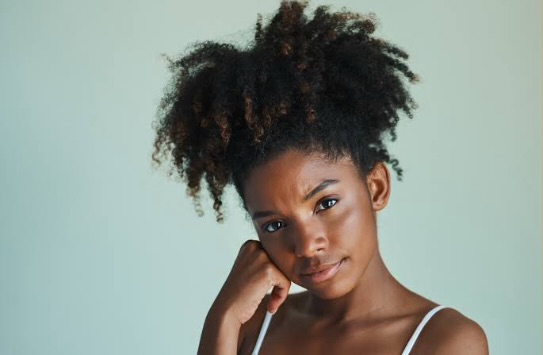
Your hair may become wet quickly, dry unusually fast, tangle easily, or feel rough and frizzy. High porosity can be genetic, but it can also develop through repeated heat styling, chemical treatments, and environmental damage.
Prioritize conditioning, gentle detangling, and products that help reduce moisture loss. Leave-in conditioners and creams may improve manageability, while limiting excessive heat and chemical processing can help prevent further damage.
How can you identify your hair porosity?
Pay attention to how your hair behaves during washing and conditioning rather than relying on one test. The popular water-glass test is not a reliable way to determine porosity because product residue, strand thickness, and surface tension can affect the results.
Ultimately, knowing your hair porosity is not about fitting into a category. It is about understanding what your strands need. Adjust your routine based on how your hair responds, because healthy hair care is always personal.
Silky and smooth hair result #myhairportal #braids #hairstyles #haircare #howto #shorts #fyp #africa