When temperatures drop, keeping natural hair soft, moisturized, and manageable can become more challenging. Cold outdoor air, indoor heating, and changes in humidity can contribute to dryness, leaving textured hair feeling rough, looking dull, and becoming more prone to breakage. For Black women with curls, coils, and kinks, adjusting your hair-care routine during colder months can help preserve moisture and protect your strands.
The good news? You do not need an entirely new collection of products. A few thoughtful changes can help your hair remain healthy throughout winter.
Start with a moisture-focused wash day
Cleansing remains important during winter, even when your hair feels dry. Product buildup, sweat, and excess oil can accumulate on the scalp, making it harder to maintain a comfortable, healthy environment for hair growth.
Choose a gentle shampoo that cleanses without leaving your hair feeling excessively stripped, followed by a conditioner that supports softness and detangling. Incorporating a deep-conditioning treatment when needed can help improve manageability, especially if your strands feel rough or brittle.
Layer moisture without overloading your hair
A moisturizing leave-in conditioner can help textured hair feel softer after washing. Depending on your hair’s needs, you can follow it with a lightweight cream or a small amount of oil to help reduce moisture loss and improve manageability.
Remember that oils do not replace water-based hydration. Applying heavy oils and butters to dry hair without considering its moisture needs may leave it coated without making it feel softer.
Start with small amounts and distribute products evenly, paying particular attention to the ends, which can become vulnerable to dryness and breakage.
Protect your hair from winter damage
Protective styles such as twists, braids, and tucked-away styles can reduce daily manipulation during colder months. However, they should never feel excessively tight or place persistent tension on your edges.
Cover your hair with a satin or silk-lined hat when heading outdoors. At night, use a satin bonnet or pillowcase to reduce friction that can contribute to tangling and breakage.
If you wear extensions, wigs, or other protective styles, continue caring for your scalp and natural hair underneath. Avoid keeping styles in for longer than your hair can comfortably tolerate, and do not neglect cleansing simply because your strands are tucked away.
Be mindful of heat styling
Cold weather can make wash-and-go styles less convenient, tempting you to rely more heavily on blow-dryers and flat irons. Excessive heat, however, can weaken the hair and increase breakage.
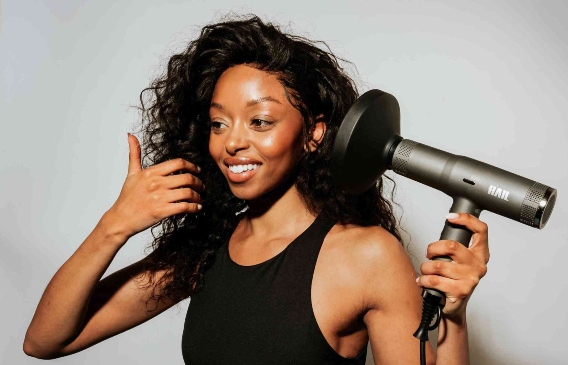
Use a heat protectant, choose moderate temperatures, and limit repeated passes with hot tools. Allowing your hair to air-dry partially before blow-drying may also reduce the time it spends under direct heat.
Ultimately, winter hair care is about consistency rather than complicated routines. With gentle cleansing, thoughtful moisturizing, and protection from friction and excessive heat, Black women can help their textured hair stay manageable and resilient throughout the colder months.
The washing that restores #myhairportal #braids #hairstyles #haircare #hair #howto #shorts #africa