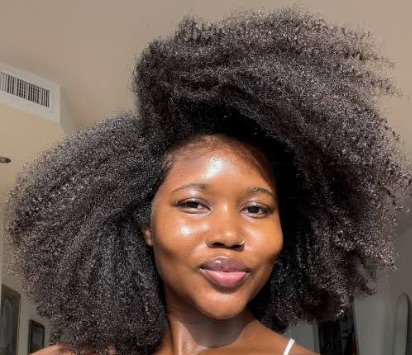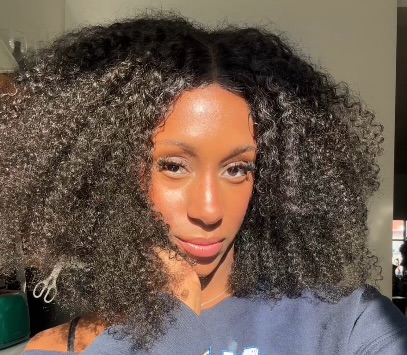
For many women with natural hair, shrinkage is both a blessing and a challenge. While it is often a sign of healthy, elastic curls, it can make it difficult to showcase length or achieve certain hairstyles. As a result, many naturalistas are constantly searching for techniques that help maintain stretched hair without causing damage. One method gaining popularity is reverse styling, a simple but effective approach that is changing the way women care for and style their natural hair.
Traditionally, many people apply styling products to freshly washed, soaking-wet hair before stretching or drying it. Reverse styling flips that process. Instead of styling first and stretching later, the hair is stretched or partially dried before products are applied. This subtle change in order can produce noticeably different results, particularly for those who struggle with excessive shrinkage.
The biggest appeal of reverse styling is its ability to preserve length. By allowing the hair to dry in a stretched state before applying creams, gels, or styling products, curls are less likely to spring back into a tightly shrunken shape. This creates a longer, more elongated appearance while still maintaining the hair’s natural texture.
Many women also find that reverse styling improves definition. Because products are applied to hair that has already been stretched, curls and coils can appear more uniform and less compressed. The result is often a softer, fuller look with better movement and less tangling.
Another reason reverse styling is gaining fans is its versatility. The technique can be used with braid-outs, twist-outs, bantu knots, roller sets, and even wash-and-go styles. It works especially well for people with tightly coiled hair textures that naturally experience significant shrinkage. By reducing the amount of retraction that occurs during the drying process, hairstyles can last longer and require less manipulation throughout the week.
Reverse styling may also help minimize single-strand knots, a common concern among those with textured hair. When hair remains stretched, strands are less likely to wrap around themselves and create tangles. This can make detangling easier and reduce breakage over time.
Of course, every head of hair is different, and results may vary depending on texture, density, and product choices. Still, the growing popularity of reverse styling highlights a broader trend in natural hair care: finding methods that work with the hair’s natural characteristics rather than against them.
For women looking to reduce shrinkage while maintaining healthy curls, reverse styling may be the game-changing technique worth adding to their routine.