For many people, spotting a gray hair for the first time feels like a rite of passage into adulthood. Gray hair has long been associated with aging, but the truth is that getting silver strands isn’t always as simple as growing older. A variety of factors, from genetics to lifestyle habits, can influence when and how your hair begins to lose its natural color.
Hair gets its color from melanin, a pigment produced by specialized cells called melanocytes. These cells live inside hair follicles and continuously supply pigment to growing strands. As we age, melanocytes gradually produce less melanin. Eventually, pigment production slows significantly or stops altogether, causing hair to appear gray, silver, or white.
While aging is the most common cause of graying, genetics often determines when it starts. If your parents or grandparents developed gray hair at a relatively young age, there’s a good chance you may follow a similar timeline. Some people begin noticing gray strands in their twenties, while others maintain their natural color well into their fifties.
Stress is another factor frequently linked to premature graying. Although stress doesn’t instantly turn hair gray overnight, research suggests that chronic stress may affect the stem cells responsible for replenishing pigment-producing melanocytes. Over time, this can contribute to earlier graying in some individuals.
Nutritional deficiencies can also play a role. Low levels of vitamin B12, iron, copper, and vitamin D have been associated with premature gray hair. Since these nutrients support healthy hair growth and cellular function, deficiencies may interfere with pigment production. Maintaining a balanced diet rich in fruits, vegetables, lean proteins, and whole grains can help support overall hair health.
Certain medical conditions may contribute to graying as well. Thyroid disorders, autoimmune diseases, and other health issues can sometimes affect melanin production. Smoking has also been linked to premature graying, with studies suggesting that smokers may experience gray hair earlier than non-smokers.
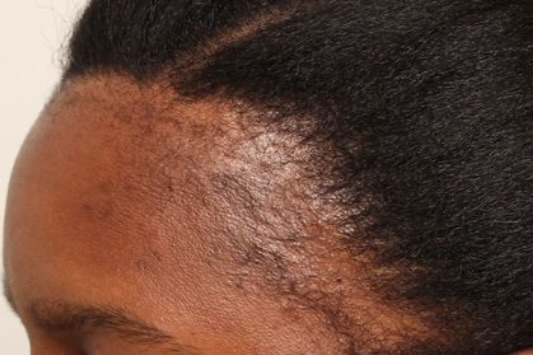
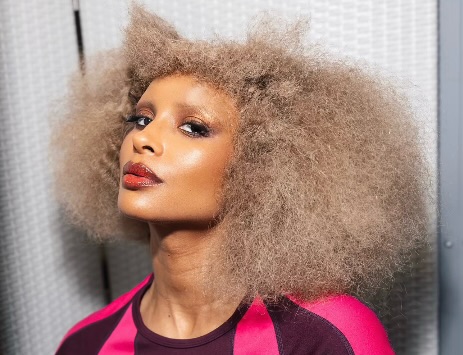
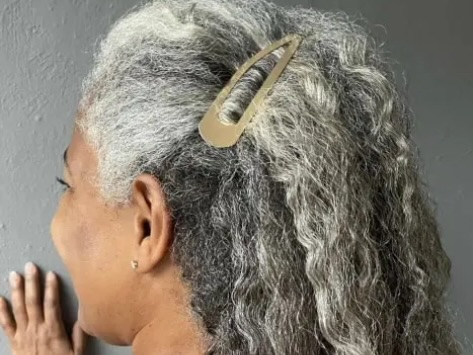
For Black women and others with textured hair, gray strands can sometimes feel more noticeable because they often have a different texture than surrounding hair. Gray hairs may appear coarser, drier, or more resistant to styling, making proper moisture and care especially important.
Ultimately, gray hair is a natural part of life and often reflects a combination of genetics, age, and environmental factors. Whether you choose to embrace your silver strands or color them, understanding why they appear can help you care for your hair with confidence.