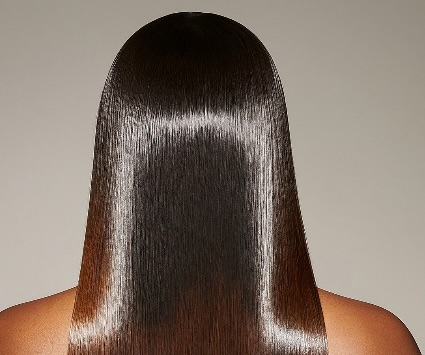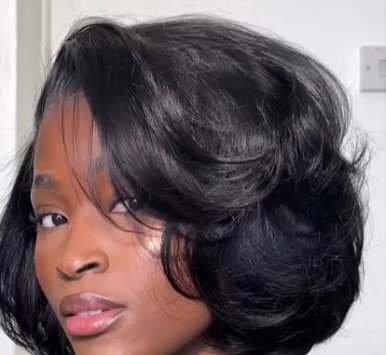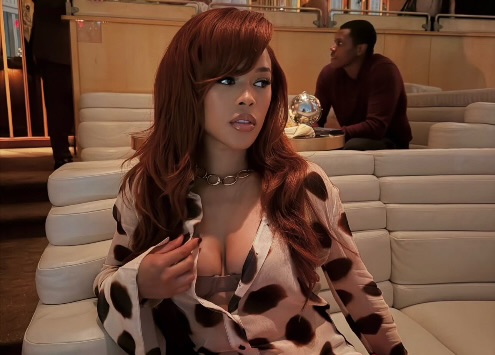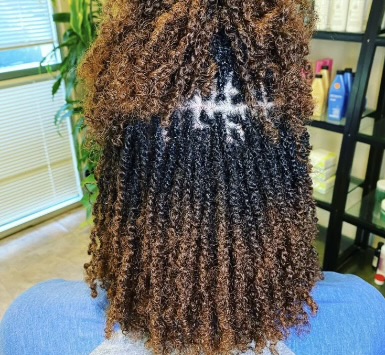
Hair extensions are often associated with added length, fuller styles, or beauty transformations, but when installed and maintained properly, they can also function as protective styles for natural hair. For many people with textured hair, extensions offer a way to reduce daily manipulation while helping protect fragile strands from breakage and environmental stress.
Protective styling focuses on minimizing damage by limiting excessive handling, heat exposure, and tension on the hair. Since natural hair, especially curly and coily textures, can be more delicate due to its structure, reducing constant combing, brushing, and styling may help support healthier length retention over time.
Extensions can contribute to that protection by keeping the natural hair tucked away and less exposed to friction, weather changes, and daily styling routines. Styles such as braids, sew-ins, wigs, twists, and crochet installs often allow people to maintain their hair with fewer disruptions while still enjoying styling versatility.
One of the biggest advantages of extension-based styles is reduced manipulation. Constant detangling, heat styling, and frequent restyling can weaken strands over time, particularly around the ends where breakage tends to occur most. By limiting how often the natural hair is handled, extensions may help preserve moisture and reduce mechanical damage.
Length retention is another reason many people turn to protective styles with extensions. Hair naturally grows in cycles, but breakage can make it difficult to see progress. Protective installs help reduce stress on the strands, allowing hair to retain more of its growth over time when proper care practices are followed.
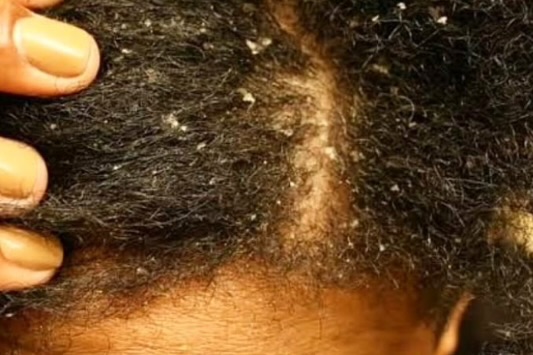
However, experts often stress that not all extension styles are automatically protective. Tight installs, excessive weight, poor maintenance, or leaving styles in too long can lead to tension, scalp irritation, and even traction alopecia. The health of the natural hair underneath still depends heavily on installation techniques and ongoing scalp care.
Maintaining moisture while wearing extensions is also important. Some people mistakenly neglect cleansing and hydration once their hair is hidden away. Healthy protective styling still requires scalp cleansing, lightweight moisturizing products, and giving the hair occasional breaks between installs.
The type of extensions used can also influence the overall health of the hair. Lightweight options and properly distributed tension tend to place less stress on the scalp and edges than heavier styles.
As conversations around natural hair care continue evolving, many stylists emphasize that protective styling is less about the style itself and more about how the hair is treated during the process. When approached thoughtfully, extensions can offer both beauty versatility and practical support for healthier natural hair maintenance.