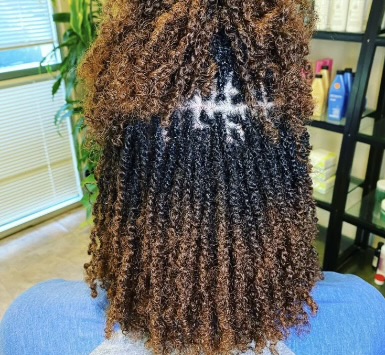
Protective styles are often celebrated as a go-to solution for low-maintenance hair care, especially within natural hair communities. But despite their popularity, many people still misunderstand what protective styling truly means.
Far from being just “braids or wigs,” protective styles are intentional hair choices designed to minimize manipulation, reduce breakage, and promote healthy growth when done correctly.
At its core, a protective style is any hairstyle that keeps the ends of the hair tucked away and limits daily stress on the strands. This can include braids, twists, cornrows, wigs, weaves, buns, and even certain updos. The goal is simple: protect the most fragile parts of the hair while allowing it to rest and retain moisture.
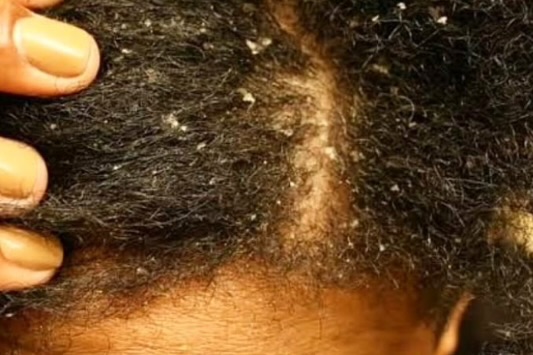
However, not every style labeled “protective” is actually protective in practice. One of the biggest misconceptions is that once hair is styled, it no longer needs care. In reality, the health of your hair underneath is just as important, if not more so, than the style itself. Neglecting the scalp or failing to moisturize can lead to dryness, breakage, and even long-term damage.
Preparation is key to doing protective styles the right way. Before installing any style, hair should be thoroughly cleansed, deeply conditioned, and properly moisturized. This ensures the strands are strong and hydrated before being tucked away for days or weeks. Applying a light leave-in conditioner or nourishing oil can also help maintain moisture during the styling period.
Another crucial factor is tension. Styles that are too tight, especially around the edges, can cause traction alopecia, a form of hair loss caused by constant pulling. A good protective style should feel secure but never painful. If there is discomfort during installation, it’s often a sign that the style is too tight.
Maintenance while wearing protective styles is just as important as preparation. The scalp should be kept clean and moisturized, often using lightweight sprays or oils. Wrapping the hair at night with a silk or satin scarf also helps reduce friction and preserve the style.
Finally, takedown care is often overlooked but essential. Removing protective styles gently and detangling with patience helps prevent breakage and ensures the hair remains healthy after the style is removed.
When done correctly, protective styling is more than just a beauty choice, it’s a long-term hair care strategy. It allows natural hair to thrive by giving it a break from daily manipulation while still maintaining moisture, strength, and overall health.