For years, many Black women have believed that human braiding hair is the safer, more natural option compared to synthetic alternatives. But a new study from Consumer Reports is challenging that assumption, and the findings are raising important questions about what we put on our scalps.
According to the report, some human hair used for braiding may actually contain higher levels of potentially harmful chemicals than certain synthetic options. Researchers tested a range of popular braiding hair products and found traces of substances linked to irritation and long-term health concerns. These chemicals can be introduced during processing, preservation, or even through environmental exposure before the hair reaches consumers.
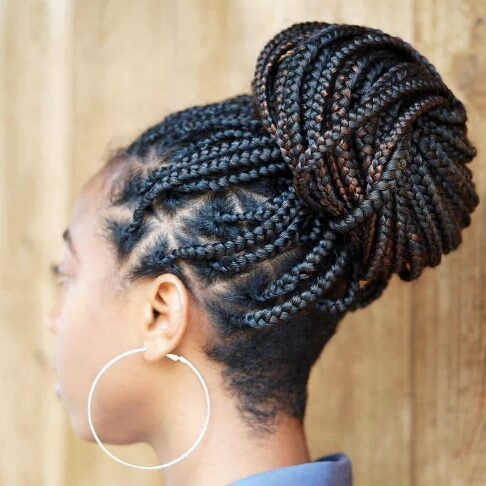
This revelation is especially significant given how widely braiding hair is used in protective styles, from box braids and twists to cornrows and faux locs. These styles often stay in for weeks, meaning prolonged contact between the hair and the scalp. For those with sensitive skin or pre-existing scalp conditions, the presence of irritants can lead to itching, inflammation, or discomfort.
Surprisingly, the study didn’t just highlight concerns, it also pointed to a safer alternative. One synthetic brand tested showed significantly lower levels of harmful substances compared to both its synthetic peers and human hair samples. While the report stops short of declaring all synthetic hair “safe,” it does suggest that certain options may be less toxic than previously thought.
This doesn’t mean human hair should be written off entirely. Instead, it underscores the need for more transparency in the beauty industry. Many consumers assume that “natural” automatically means safer, but this study is a reminder that processing methods matter just as much as the source of the material.
So, what can you do as a consumer? First, consider pre-washing braiding hair, whether human or synthetic, before installation to help remove surface residues. Apple cider vinegar rinses, for example, are a popular method for reducing potential irritants. Second, pay attention to how your scalp reacts. Persistent itching or burning is a sign that something isn’t right.
Ultimately, this new research from Consumer Reports flips the script on a long-held belief. When it comes to braiding hair, the safest choice may not be the most obvious one, and staying informed is your best defense.