For decades, professionalism in corporate spaces has been narrowly defined, often excluding the very textures that grow naturally from Black women’s scalps.
From relaxers to tightly pulled buns meant to appear “neat,” many women felt pressured to assimilate in order to advance. But today, a powerful shift is underway.
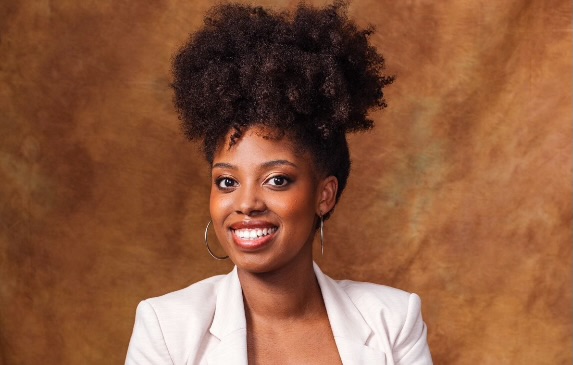
Black women are choosing authenticity over assimilation, confidently wearing their natural hair in boardrooms, client meetings, and C-suite offices.
This cultural transformation hasn’t happened in isolation. Legislative progress like the CROWN Act, which prohibits discrimination based on hair texture and protective styles in several U.S. states, has helped validate what Black women have long known: natural hair is professional. Though policy alone cannot undo generations of bias, it has sparked broader conversations about equity and inclusion in the workplace.
Across industries, professionals are embracing afros, braids, locs, twists, and bantu knots without apology. For many, the decision to go natural at work is deeply personal. Some describe it as a reclaiming of identity after years of chemical straightening. Others see it as a responsibility, to show younger Black women entering corporate environments that success does not require shrinking oneself.
Yet the journey is not without nuance. Microaggressions still surface in the form of unsolicited touching, coded language like “unkempt,” or suggestions to adopt a “more polished” look. The difference now? More Black women are pushing back. They’re documenting their experiences on LinkedIn, hosting panels on authenticity in leadership, and building employee resource groups that center textured hair acceptance.
Social media has also played a pivotal role. Platforms have amplified images of executives and entrepreneurs proudly wearing natural styles, reshaping what authority looks like. Visibility matters. When clients see a senior manager rocking waist-length locs or a tech founder presenting in a sculpted afro, it subtly dismantles outdated norms.
Importantly, this movement is not about rejecting versatility. Many Black women still enjoy switching between wigs, silk presses, and braids. The key difference is choice. Authenticity means deciding how to show up without fear that natural texture will be perceived as less competent.
As workplaces increasingly prioritize diversity, the corporate natural hair narrative is evolving from quiet resistance to visible celebration. Black women are no longer asking for permission to exist as they are—they’re setting new standards for what professionalism truly looks like.
In rewriting the narrative, they’re not just changing hair policies. They’re redefining power, presence, and possibility.