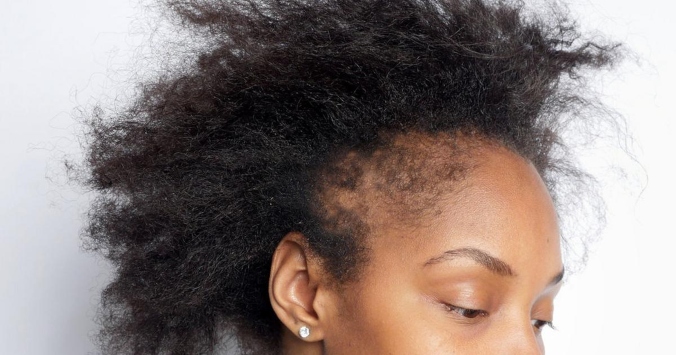
Temple thinning is one of the most common, and most frustrating, hair concerns people face, especially among women with textured hair.
The temples are a delicate area where strands are naturally finer, making them more vulnerable to breakage, shedding, and long-term thinning.
If you’ve noticed your edges looking sparse or your temple area receding, you’re not alone. Here’s what experts say may be causing it, and what you can do to start restoring fullness.
One of the leading culprits is tension. Hairstyles that pull tightly on the edges, such as braids, sleek ponytails, weaves, and wigs applied with adhesive, can place repeated strain on the hair follicles. Over time, this can lead to traction alopecia, a condition where the follicles become weakened and may stop producing new hair. Experts emphasize the importance of alternating styles, avoiding excessive pulling, and giving your edges regular breaks from tension-heavy looks.
Hormones also play a significant role. Fluctuations caused by pregnancy, childbirth, menopause, or conditions like polycystic ovary syndrome (PCOS) can disrupt the hair growth cycle. In some cases, thinning at the temples is one of the earliest signs of hormonal imbalance. For those experiencing postpartum shedding, temple thinning is especially common and often temporary. Still, speaking with a healthcare provider can help determine if hormones are the root cause.
Stress is another major contributor. Elevated stress levels can trigger telogen effluvium, a condition in which large numbers of hairs shift into the shedding phase. Since the temple area is already fragile, it tends to show signs first. Incorporating stress-reducing practices such as sleep hygiene, mindfulness, and proper nutrition can support healthier hair growth.
Additionally, scalp health matters. Product buildup, inflammation, and conditions like seborrheic dermatitis or fungal infections can affect the temples just as they would any other area of the scalp. A clean, balanced environment is essential for regrowth.
Experts recommend a few key steps for restoring temple thickness: reduce tension, nourish the scalp with lightweight oils or serums, avoid heavy gels on the edges, and use silk or satin to reduce friction. If thinning continues, consult a dermatologist or trichologist for treatments such as PRP therapy, low-level laser therapy, or medically approved topical solutions.
Temple thinning is common, but it’s also manageable. With the right care, patience, and expert guidance, it’s possible to rebuild stronger, healthier edges over time.